Motorsport is Skill and Prep – Why Casino Games Can’t Copy That
Motorsport, with its roar of engines, chequered flags waving, and split-second decisions, boasts a level of skill and preparation that’s hard to match. Whether you’re a casual fan browsing Motorsport Week or a seasoned follower absorbing every lap analysis, one thing is clear: behind the dazzling spectacle lies rigorous driver training and team data analysis. Meanwhile, online casino games often borrow motorsport imagery and sound design to evoke thrill. But beneath the surface, the key element that drives real motorsport – skill and preparation – is simply not replicable in a world ruled by casino randomness.
The Visual Language of Motorsport: Familiar But Deceptive
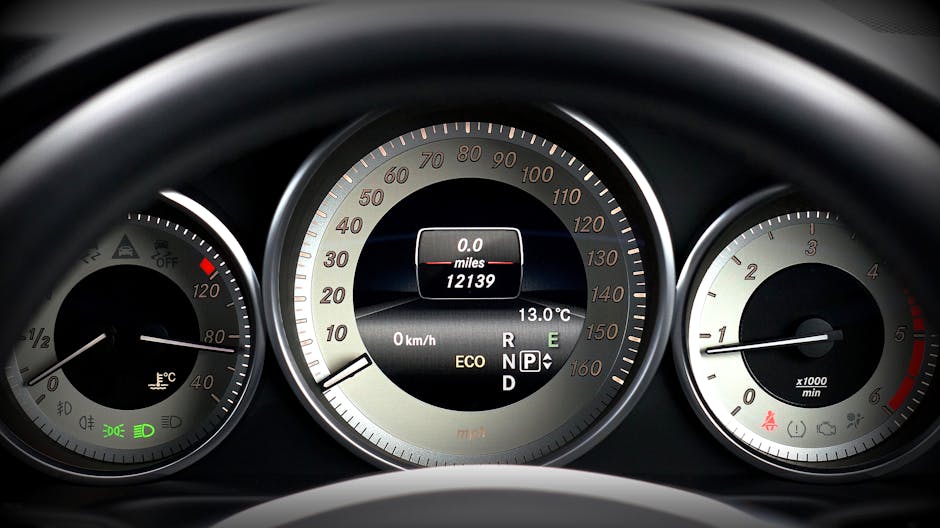
When a slot machine or casino game flaunts chequered flags, starting lights, and speedometers on its reels, it’s tapping into a universally understood visual language. These icons instantly communicate excitement, progression, and competition. The chequered flag, traditionally signalling the end of a race, plays on our instinctive recognition of victory. Starting lights counting down engender anticipation. Speedometers standing still or swinging wildly imply action and speed.
This ready-made drama is not accidental. Game designers know that motor racing’s visual cues are etched deep into popular culture. When paired with polished 3D graphics or crisp animations, these motifs lend an air of authenticity and intensity to otherwise static casino games.
However, this vivid symbolism masks a significant truth. Unlike racing, where these signs are tightly linked to human effort, strategy and skill, in casino games, they are often just that – presentation. No matter how realistic the visuals, the outcome remains a result of a computer’s random number generator (RNG).
Sound Design: From Engines to Electronic Chimes
Crank up the volume on an actual race and you are engulfed in an intoxicating blend of engine noise, tyre squeal, and crowd murmur. These sounds form a visceral backdrop to the driver’s expertise and the car’s battle with physics. Timed countdowns add tension, creating moments where split seconds change the race’s story.
Casino games borrow this sound design liberally, with revving motors, digital beeps replacing engine roars, and https://www.motorsportweek.com/2026/09/19/why-racing-themes-work-so-well-in-online-casino-games/ countdowns ticking off before a spin lands. The intent is to mimic the same rush familiar to race fans. Yet, this acoustic layering can mislead players into attributing skill or control where none exists. Unlike the real world, no amount of driver training or team coordination influences these noises – they are triggered cues, not reflections of dynamic human effort.
Racing as a Game Mechanic: Progression, Finish Lines, and Multipliers
In many online slots, race formats serve as game mechanics that frame progression and reward structures. Reels might spin to show a car speeding toward a finish line, where multipliers or bonus prizes await. This sense of progression taps into the excitement of a race unfolding – the idea of “getting closer to the checkered flag” encourages continued play.
- Progression: Like moving through laps or overtaking in a race, players can feel a sense of advancement.
- Finish Line: Visualising success at this point mimics the real-world goal of motorsport.
- Multipliers: These emulate the thrill of lap records or turbo boosts, promising larger rewards.
But herein lies the core discrepancy. Motorsport rewards drivers who master skill, strategy, and precise teamwork supported by real-time data from telemetry systems. Casino games, however, rely on the RNG – a mathematical engine generating outcomes independently of player action beyond bet selection.
Understanding Casino Randomness: The Limits of Skill
“Casino randomness” refers to the core principle that outcomes in regulated online casino games are generated by Random Number Generators (RNGs). These RNGs use complex algorithms to ensure every spin or hand is independent and unpredictable. Accredited bodies like eCOGRA supervise and certify these mechanisms, guaranteeing fairness and compliance across platforms such as MrQ.
Integral to this fairness is the concept of RTP, or return to player. RTP represents the theoretical percentage of wagered money a game will return to players over many sessions — typically 95% to 98% for slots. This figure, however, applies over the long term and cannot be influenced by player skill, unlike motorsport where training improves performance lap by lap.
While some marketing claims suggest “better odds” or “hot streaks”, these are often hand-wavy and fail to address RTP variance – the natural fluctuation in short-term payouts. Implying that casino games can be “beaten” with reflexes or data analysis misunderstands the nature of randomness entirely.
Driver Training and Team Data Analysis: No Parallels in Casino Gameplay
In motorsport, success depends on a complex interplay of human and mechanical factors:
- Driver Training: Intense physical conditioning, simulator hours, and on-track experience refine reflexes, decision-making, and endurance.
- Team Data Analysis: Engineers and strategists mine telemetry data to optimise car setup, pit strategy, and real-time adjustments.
This expertise directly shapes race outcomes, underscoring the meritocratic nature of motorsport. In contrast, even the most sophisticated casino game lacks variable elements impacted by player decisions beyond basic choices like bet size. The randomness governed by RNGs precludes replicating this skill-prep relationship.
The Misleading Allure of Motorsport-Themed Casino Games
By marrying the rich spectacle of motorsport with gambling interfaces, game studios create engaging products. However, players must recognise the fundamental differences. No matter how thrilling the engine sounds or authentic the chequered flag animation, the core driver behind each win or loss in a casino game is unpredictability, not ability.
Platforms like MrQ uphold industry standards by partnering with certified bodies such as eCOGRA, promoting transparency and responsible gaming. It is vital for players to understand that casinos use RTP and RNGs as frameworks for fairness, rather than skill-based competition.

Conclusion: Appreciating Motorsport and Casino Gaming on Their Own Terms
Motorsport’s tension and triumph spring from human endeavour, preparation, and strategic excellence. These qualities have no real equivalent in the digital mechanics of casino games, despite shared visual and audio elements. Recognising this helps players enjoy both arenas without confusion or misplaced expectations.
The next time you spin a motorsport-themed slot or participate in a casino game, appreciate the immersive presentation but keep in mind its foundation in casino randomness. Motorsport remains a testament to skill and preparation, while online gaming is a digitally regulated experience designed for entertainment within controlled odds.